



BPI Envelope Professional certified
The owner of Handyman On Call is proud to be a certified with BPI, the Building Performance Institute INC.
The owner of Handyman On Call is proud to be a certified with BPI, the Building Performance Institute INC.

The owner of Handyman On Call is proud to be a certified handyman with ACHIP, the Association of Certified Handyman Professionals.
The owner of Handyman On Call is proud to be a certified handyman with IICRC, the Institute of Inspection Cleaning and Restoration Certification.
The owner of Handyman On Call is proud to have completed a home inspection licensing course, at CCBC.
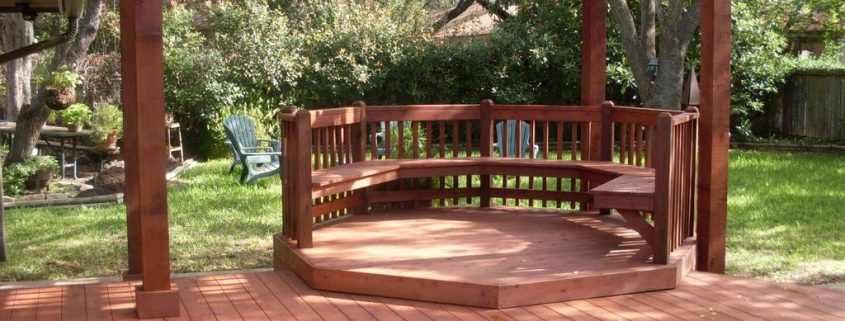
A rustic deck can be charming and quaint, but it’s an entirely different thing to have a deck that has simple gotten old. On older homes, decks can often go ignored for too long and what once would have been simple repairs to fix it up become laborious and expensive.
So if your deck needs to be restored, here are some things to keep in mind when trying to keep it looking good on a modest budget.
If the wood is starting to crack and splinter, just about any wood restoration product should do the trick. But before applying such a solution you’ll want to clean the deck with wood or deck cleaner. Be sure to pay attention to the directions all all cleaners; if they are not properly diluted, they can do much more harm than good. Once this step is done, you should be able to wash down your deck (using a power washer if you have one available, although a nice hit with a strong hose also works).
Let the deck sit for 4-7 days to dry properly, based on your current weather conditions. When you are confident the deck is dry, you can use your restore solution (Restore 10X, for example). Depending on the size of your deck, you can use wither a standard paint brush or a roller. Regardless of what you use, be sure to always spread the restore solution in one direction. Try to focus on one or two boards at a time rather than spreading it all around in order to ensure an even coating.
If the deck has seen a lot of wear and tear, chances are good that a second or even a third coat will be needed. In most cases, the second coat should be enough but it all depends on the condition of the wood. Make sure the first coat is dry before applying the second coat for maximum results.
If you have children or pets, make sure they don’t step foot onto the deck until the second coat is dry.

You don’t realize how important your toilet is to your family until you find it on the verge of breaking. Being one of the most used utilities in the home, toilets have their fair share of issues. Here are some of the most common ones along with simple remedies to fix them.
Filling On Its Own
When your toilet starts to fill on its own—as if it’s recently bene flushed when it has not—your flapper is likely the cause. When your flapper is either fitted poorly or is started to corrode, it often allows water to drain from the tank to the bowl. In almost every case, replacing the flapper will solve this problem. If a new flapper doesn’t do the trick, the water line connecting fill valve and the overflow tube is probably too long.
An Incomplete Flush
When it appears as if your toilet isn’t providing a complete flush, you can find the problem in a few different areas.
Unexplained Water Level Drops
If you’ve bene noticing a water level drop after flushing, you’re likely having one of two problems. The first is an easy one to fix—a simple clog can cause the tank to start siphoning water from the bowl. This can be remedied with a plunger and elbow grease. A worse problem, tough, is that you could be looking at a crack somewhere within the toilet, most likely where the water passes through the drain pipe. There’s no remedy when this happens…it’s just time to get a new one.
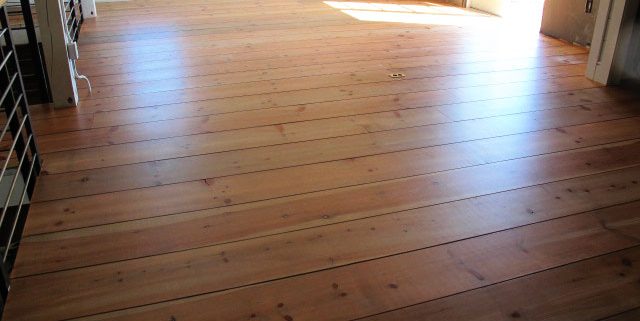
There’s just no getting around it—your hardwood floors are going to get dings, scratches, gouges, and scrapes. This is especially true if you have children or pets. The good news is that certain scratches you get in your hardwood floor can be covered up and cleaned to the point where they basically disappear.
For lighter scratches
Always clean and scrub the floor before starting the process. Once the area in question has dried, you can use an acrylic or wax floor polish to cover the scratches. Be generous is the application, though; too much of this sort of remedy can eventually make your floors darker and acrylic is not easy to get off of your floor.
A simpler solution would be to coat your floor with one of the many products on the market that will renew the look of the wood. You can find several of these at any home repair store. If you make a point to use these solutions every few months, you will also find that it helps to prevent future scratches. Lastly, make sure your floor is not a wood laminate, as these solutions can damage it.
For deeper scratches
While deeper scratches are certainly more unsightly than a lighter scratch, these can easily be maintained, too. By filling your deep scratches in with stain, you don’t really remove the stain but it is next to impossible to see. The trick, of course, is finding a stain that is the exact color of your floor. When applying the stain, use a Q-tip or a very small brush.
You can also find special stain markers or pencils that can make this job a bit easier.
For gouges
These are those gouges that simply hurt to look at. While these can be a bit more difficult to repair, it can usually be knocked out by a precolored latex wood filler. Just like the stains mentioned above, be sure that the filler you select matches the shade of your floor. Spread the filler into the gouge with a putty knife and then make sure you give it enough time to dry. Next, use sandpaper (of the fine grit variety) to smooth it out. You may need to finish this job off by placing abit of thinned varnish over the repaired gouge.
One of the absolute worst smells you can encounter in your home is the stench that is created by a garbage disposal that is used frequently but not cleaned very often. This is caused by bits of food particles that get caught in the disposal without being churned properly. These bits of food decay and start to stink, mingling with other similar food bits.
The good news is that this is a problem that is easy to eliminate and prevent from happening again.
There are several ways to get rid of your garbage disposal odors. Each are equally effective and should work in just about any situation.
Use Dish Soap to Clean the Guts: Plug your drain and run some water into it—about half full should do. Add some dish soap to the water and the remove the plug while flipping on the disposal. This will send the soapy water through the “guts” or housing of your disposal. This works great in terms of getting deep into the hard-to-get areas of your disposal.
Vinegar: You can use vinegar in the exact same way you used dish soap above. Vinegar is a great natural cleaner and while it may not smell as nice as dish soap, its cleaning abilities can work wonders on your disposal.
Use Ice When In a Pinch: A quicker and easier remedy is to put ice into the disposal and run it. Then add more ice with about a half a cup of salt this time, and run it again. Because salt serves as a good abrasive cleaner, it will scrub away any remnants the ice chunks didn’t knock away.
Using Lemons: This one is easy and works best after completing one of the two solutions above. Peel a lemon and runt he rinds through your disposal. It not only helps get rid of any food remnants but it also helps your kitchen smell nice and fresh with a citrus scent.
To prevent smells from building up, try running the lemon or dish soap solution at least once every two weeks.
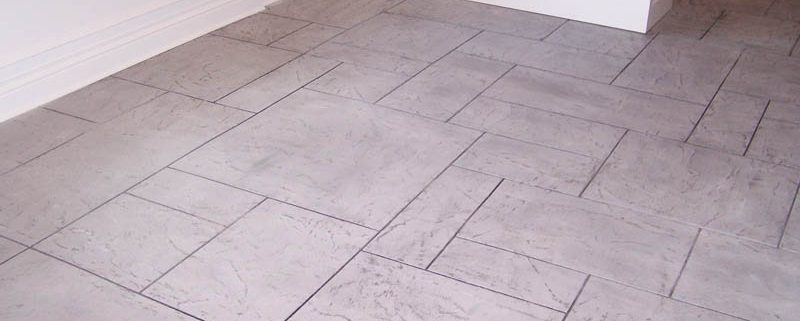
The garage can sometimes be the most neglected part of the house. But that doesn’t mean that it needs to go unnoticed when the garage floor starts to collect stains. Most people assume that cleaning stains from a garage floor is difficult and that’s why many of them go untended to.
But cleaning the garage floor is easier than you might think, no matter what type of stain you’re dealing with.
For oil and grease stains all it takes is mixing a cup of water with one ounce of trisodium phosphate and a cup of absorbent material. This creates a paste that you can then lather on the stain and leave until it dries. The paste draws the stain away from the concrete. Once the paste has dried completely, you can scrape it up. The stain will be gone and your floor will look as good as new. If the stain has been there for a while and has really set in, it could take three of four solid applications to fully remove it.
To remove paint stains you will also be using a paste that you can create with paont stripper and the absorbent material of your choice. Layer this paste over the paint stain and let it sit for half an hour or so. When removing paint this way, make sure the garage door is open and the area is ventilated, as the chemical in the stripper can often be harmful.
Not that if you use a low-impact, safer paint stripper, you may need to let the paste sit on the stain for two or three hours to get the full effect.
You can remove rust stains with a ¼ cup of muriatic acid mixed with two cups of water. The solution will dissolve the primary layer of stain. Just be sure to apply a thin layer, as too much acid can easily blemish your concrete.
No matter what sort of stain you’re cleaning, be sure to use the proper safety precautions.
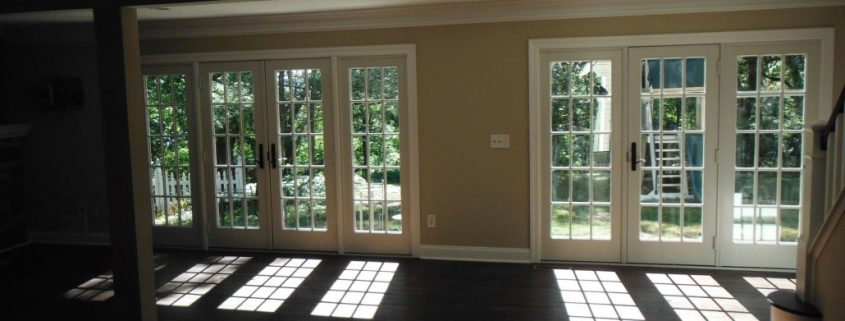
Your home is a large part of who you are and because of that, there’s no harm in wanting to spruce things up a bit. If you have grown tired of the same old look of the place you call ‘home’, a home remodeling project might be just what you need! Of course, a renovation project is easier said than done and at first, the thought can be a bit overwhelming. Follow these tips, and you’ll be on your way:
Plan Well and Organize:
It’s time to brainstorm. Identify the changes that you want in your house and write them up on a piece of paper or save them in a doc file in your computer. Do not make extravagant plans and always stick to changes that you believe can be achieved within your budget. While listing out the changes, it’s also better to separate them out based on priorities because of your budget limitations, so, if you run out of funds while remodeling, you can cut off the lowest ranked priorities from your list.
Set your Schedules Right
It’s obvious that your life will get pretty hectic while your house is undergoing the renovation project; you will have to stay with a friend or a relative, so you should check with them if they can accommodate you at the required time of the year. But, it’s always better to stay with a neighbor, that way you can always visit the site and check up on progress yourself. So, before you hire a professional handyman service to renovate your house, check which time of the year is perfect for you to get the job started.
Prepare a Contract and get the Job Started:
When hiring a professional handyman service for your house renovation project, always prepare a contract which includes a list of things that you want the company to do for you, and a price estimate. If this is your first time renovating your house, it’s always better to keep a friend or family member alongside who has done this before.
With these tips, you’ll be ready for whatever comes your way.