
fences-4

Alternative ideas for fences

All fences have the main function of dividing areas, however, they can differ greatly when you consider them as decorative elements for your garden. Alternative materials to build fences such as recycled bottles and wooden boards, are cheap and generally represent environmentally friendly choices. Using common materials also allows you to express your creativity and artistic qualities.

Pallets

Pallets are made ​​of treated wood and offer an alternative ecological material to build a fence because they are usually burned or thrown into landfills. They are also a cheaper option since you can probably get them at no cost.  According to the internet site “Self-Sufficient,” you can build a fence simply by attaching the pallets with nails or dismantling pallets and using separate boards.

Plastic or glass bottles

Build a fence using empty bottles by binding them together horizontally or vertically with wire or other material. For a fortified fence, you can use fuse glass bottles together with cement, to give the look of a wine cellar. According to the website “Gardening Tips ‘n’ Ideas,” you can create designs if you have glass bottles of different colors or use pigmented cement. The side of the fence that shows the necks of the bottles can be used for hanging potted plants or other decorative materials.

Bamboo

Build a modern-style fence using bamboo poles, which are quite strong, accessible and have become harmful vegetation in many areas. If you do not have time, or inclination, to tie poles to form a curtain of bamboo, you can buy them ready-made in garden stores.
concrete

Advantages and disadvantages of concrete construction

Most of the business buildings such as malls and individual stores are built with concrete construction. In some places, residential houses have exterior walls of concrete, designed to improve safety and provide a higher resistance to strong winds and storm levels. Although there are benefits of using concrete in construction, there are some considerations and limitations.

Benefits

Concrete provides protection against storms and superior criminal activity. A high percentage of new banks use concrete, reinforced with steel in the construction process, including the interior concrete walls. Additionally, concrete building offers a high level of fire resistance and reduces unwanted noise.

Types

There are two basic methods used in concrete construction. The first is the erection of pre-cast concrete walls that come from a manufacturer with a predetermined window and door and already installed pipes for mechanical applications. Many franchises use this type of building for their stores. The second method requires the formation of individual walls and pouring concrete in place. If a residence requires concrete walls, the second method is employed, often using a foam insulation in the walls.

Function

Concrete walls provide low-maintenance, permanent construction. In commercial applications, concrete is superior to wood frames when the structure must be completed quickly. A wall that takes two weeks to complete with a wooden frame can be poured in a couple of hours with concrete and cured in two days. Where street noise is a problem, the concrete provides an acoustic absorber for those inside the building.

Considerations

Before pouring the concrete walls, all mechanical aspects should be taken into consideration during the training process. Doors, windows, electrical outlets, plumbing and pipelines are required to be inspected before the walls are poured. Spend a little extra time developing the building design as remodeling a concrete structure is cost prohibitive.

Caveat

A concrete construction is not recommended for places where the ground sinks, unless a floating foundation is part of the design. Because even a slight movement can result in cracks and fissures, concrete buildings in this soil type require a special foundation or the use of posts installed deep in the bedrock, beneath the structure.

roofing-6

What materials are used in roofing?

The materials used in the construction of roofs vary in cost, design and durability. The style of the residence or building, the color, the ecological factors and economic factors lead to the selection of materials. Therefore, understanding the numerous available materials allows for a clear selection process. Whether you choose a green (organic) or a historically correct option, there are many possibilities in the 21st century.

Environmentally friendly

European turf roofs have been in use since the early times of last century, something considered unconventional in the United States in 2010. This material provides a good insulation for cold winters while maintaining cool temperatures during the summer heat; these green roofs, besides being attractive, also have low maintenance.

Asphalt shingles

The variety of colors and range of prices varying from cheap triples (three sections per unit), to the more expensive and durable tiles, are still popular. Easy to repair, asphalt shingles are petroleum-based, non-organic and not recycled and generally end up in landfills. In warm climates cracks, mold and moisture form on or in the shingles which translate to a short life of 15 to 30 years.

Wood

Unless they are not pressure-treated (infused with chemical protection against weather and insects), wood rots due to the growth of mold and mildew. Very useful for bungalow roofs, cottages and historic houses, wooden tiles mix well with the environment while providing some insulation. When making your choice, please note that wood shingles are expensive and need constant maintenance to achieve a life of 30-50 years.

Metal

A steel or aluminum roof has a long shelf-life of over 50 years. This choose is lightweight and available in a variety of colors and styles (cedar shingles or sheets) and because it’s a recyclable material, it is actually a good investment. Although it can be expensive, this material can be easily installed over an existing roof.

Concrete and clay

Both fireproof, concrete roof tiles and clay go well with buildings that reflect a Mediterranean style or those residences of contemporary or country style. They need regular maintenance and are durable. Often used for new construction because of the special requirements of their weight structure, these expensive materials are easily broken when walking on it; therefore, keep in mind that repair and installation require certain skills.

Board

More visually suitable for homes reflecting a French and Italian colonial style; slate roofs offer beauty, fire resistance and have a long life. However, they need a professional with the right equipment for installation due to its weight and fragility.

Rubber and plastic

New in the 21st century, the roof of engineering plastics and rubber fit with any architectural style and has life duration of 30 to 50 years.  It’s a profitable material that’s constructed of recycled materials.  This roof has a light weight and comes in a range of colors.

roofing-1

Different ways to build a roof

You can build a roof in six basic ways: flat, shed, gable, hipped, attic and attic. The most common types of roofs are flat, shed, two and four waters, while the sloping of a roof incorporates many of the building techniques applied in the construction of roofs with two and four waters, the final appearance is based on the method you use to build and the style – one of the elements that will give character to your home.

Main components

Most common components used to build roofs include primary and secondary beams in addition to the blinds. Generally, the central beam is used when a roof has at least two slopes. It is a long horizontal piece which is the most important element of the structure. The central beam helps align the secondary beams. The latter – are already common, capping, for overhang, valley or ‘V’ – are structural components that provide support for the weight of the roof. Not all beams are necessary in the construction of every roof. The scaffold, usually made at a factory, are structural supports that can be used instead of beams. On top of the scaffold, the entire roof is covered with roofing material, which is usually an overlay of 5/8 inch (1.6 cm) plywood.

Flat roofs

Flat roofs are common in commercial buildings and can be completely flat or have a slight inclination; the latter allows water to drain from the ceiling. They are also found in some single-family homes, but residential construction consists of two or three floors so flat roofs are not usually seen. A waterproof cover used for flat roofs is a simple rubber-like membrane, called Ethylene Propylene Diane M or EPDM. The installation of this cover does not require special skills or equipment; just apply the adhesive to the inner side of the membrane and place the membrane down.  The joints are sealed with a special tape.

Gabled

The gable roof consists of two sections that are joined in the middle. The two equal sides bow down from the main beam and the roof starts at one end of the house and ends at the other. Typically, equidistant beams are cut and align with the wall. Adjacent beams have to be cut at right angles to ensure a proper fit. Tiles are widely chosen as the material for pitched roofs. The installation procedures are not difficult and the materials are not expensive, compared to other options. You can also choose to install metal on new construction as long as it’s properly reinforced; you can install tile, slate or concrete tiles as well. Specific tools, specialized equipment and knowledge for proper installation are required.

siding-4

Keep Your Foundation Healthy

The great importance of keeping the foundation of your home healthy should not have to be explained, after all, your entire house rests upon it. The greatest threat to the foundation is moisture and cracks forming which may need foundation crack repair, but other factors can also cause it to deteriorate rapidly and it is very important to keep it healthy to keep the house healthy. The following tips and warnings address the major threats to the foundation.

1.  Check your foundation for cracks regularly.

Minor cracks should be caught quickly and fixed before they start to expand and pose a real problem. These cracks develop naturally in concrete slabs and can be fixed by one of the many commercially available crack repairing agents for concrete. Epoxy glue specially made for the purpose is especially useful for repairing cracks.

2. Keep moisture levels constant.

More specifically, keep the moisture consistent. If the foundation gets too dry, it may pose problems and cause cracks as soil around it shrinks. Installing rock beds near the foundation will help water seep into the soil around the foundation and keep it healthy. Foundation watering systems are also available to keep the foundation healthy.

3. Keeping away excessive moisture.

Make sure your drainpipes and gutters are well sealed and lead at least five feet away from the foundation when discharging. Make sure there is proper gradation around the house so that the rainwater does not accumulate near the house and is instead led away by the slope. A moisture barrier can also be installed to make sure that the moisture is not migrating towards the foundation and these barriers should be at least six feet deep.

4.  Inspect your plumbing systems regularly.

Get a professional to come in and inspect all the plumbing lines in and around the house. This includes sewage lines and sprinkler systems. Any leaks that these lines may have should be fixed immediately to stop excess moisture from making their way towards the foundation and causing a real problem.

With these tips you can take the first steps towards guarding the foundation of your home against damage to make sure that it holds up year after year and no major and expensive repair is needed in the near future. As always, it is best to consult a professional before making any of these changes and they can advise and help you to install the necessary safeguards.

concrete

Concrete polishing techniques

Concrete is a popular material used for floors and roofs, thanks to its durability, easy maintenance and attractive appearance, when polished correctly. Concrete surfaces can be polished to a finished sheen requiring no coating or waxing. However, this process requires equipment and special techniques. Learning the basic methods for polishing concrete can help homeowners tell the difference between a well-polished surface and one that was not properly polished.

Wet polishing

The wet grinding of concrete involves using diamond abrasive grains to gradually soften the floor, deck or concrete surface. The water is used to cool the abrasion and keep dust levels low making the process safe. According to Red Concrete, wet abrasive polishing processes tend to last longer, because water acts as a lubricant. Unfortunately, the polished concrete in wet environments creates a disaster.

Dry polishing

Dry grinding is becoming increasingly common as dust container systems improve. This technique involves grinding the floor with a polisher hooked to a vacuum system. The system contains a lot of dust so you need to improve air quality and make it cleaner. According to Red Concrete, many workers use dry polishing in the early stages and then change to a wet one.

Polishing banks

Decks and other concrete forms with edges and corners require special techniques to soften correctly. Small, manageable polishes work best on the edge of concrete and are adjustable with flexible polishing fillings for curved areas. Workers should avoid tilting or rolling the polish, as it can cause a rippling surface. Instead, a horizontal movement with even pressure should be used to provide the best surface. Performing work on banks require greater care to polish large flat surfaces as small imperfections are more obvious.

basement-2

Basement Renovation Ideas

There is no point leaving a basement unfinished. Apart from the value that a finished basement adds, one of the main reasons to go in for a basements remodeling job is for the great addition of another desirable room to the house. Basements are incredibly versatile and can be turned into a room that can be used for almost any purpose. Here are just some of the many ideas that can make your basement the best loved room in the house.

1. An extra bedroom.

Whether you are about to welcome a new member to the family or just as a guest room for visiting family and friends, an extra bedroom is always useful and any family home will always have a great use for it. You can also add a en suite bathroom to the bedroom downstairs to make it a complete living quarter for visiting guest.

2. A separate apartment.

If your basement has a separate entrance (one can also be added without much effort,) it is a perfect candidate for a studio apartment. Not only will this be great for the privacy of long term guests but it can also be rented out for a little extra money for the family.

3. Kid’s playroom.

If you are about to welcome a new tyke into the family, why not convert the basement into a playroom for him or her. They will enjoy the coolness in the summer and with the addition of kid friendly furniture and a friendly color and aesthetic scheme, they will love spending their time there. A separate study area with a desk and charts can also make it a complete room for your kids where they can work and play.

4. Media room.

This is one of the most common uses for a basement, since there is very little need to soundproof or lightproof the room, it is already ideal as a place to host home movie nights. Adding a projector or a large television and a good sound system will make the basement one of the favorite rooms for the movie fanatics in the family.

5. Game room.

A game room for the family and visitors is the perfect project for a basement. A pool table and other games like foosball and arcade games can be put down there as well as a bar for the older patrons. If building a combined media and game room, video games can also be played on the big screen installed and the room will fast become a favorite among friends.

There are many other uses for a basement and these five are just some of the many ideas. They should inspire and help you decide what you want to do with your basement instead of just leaving it unfurnished. A professional contractor or interior designer can help you plan and decide on the best use of the area.

bedroom-remodeling-1

Blinds and curtains to reduce outside noise

When it comes to isolating sounds in a home, there are many ways to reduce the sound traveling through the walls, but with windows it’s more problematic. The glass transmits the sound more easily than the walls due to insulation, but you can isolate noise using blinds and curtains. The key to any type of noise reduction through windows is to leave a space that traps sound waves. You can achieve this by using two sound barriers.

Choosing Blinds

When choosing blinds to reduce noise through the windows, you must figure out how to block the sound. Thin plastic blinds are vibrate but let the sound pass through. The so-called “acoustic blinds” are reinforced with glass fiber or foam to reduce noise. If you cannot buy these kinds of blinds, look for ones made of a thick plastic or wood, as they reduce more noise than the cheap plastic blinds.

Choosing the curtains

Curtains can also help reduce noise if they are thick enough. As with acoustic blinds, some drapes are thicker and made with a thin layer of foam applied on the back of the fabric. Many curtains are also sold as items to block light and reduce sound. These blinds are made with a thick fabric which has been applied to the back allowing them to reflect light and reduce sound waves. If you cannot find these kind of draperies in your area, any curtains made of thick material reduce sound just fine.

Use the two

The sound insulation experts recommend providing a double barrier for sound waves through windows. Thick wooden blinds installed inside the window frame and a curtain to reduce noise on the outside of the frame, leaving 1 inch (2.54 cm) of open space between them, will greatly reduce the sound brought in to your home.

Other ways to reduce noise

There are other methods to help reduce noise that travels through windows. You can plant thick bushes outside the windows. Sound also travels through fine cracks in the window frame, so seal the windows to reduce sound.  If you’re using blinds and curtains to reduce noise, install the curtain rods farther away from the wall so that there is space between the blinds and the curtains to provide a layer of insulating air.

fences-8

Accessible alternatives for fences

Usually fences function as aggregates with style and functionality for a garden or landscape and mark properties, create privacy, maintain control of children and pets, or to keep out animals and other intruders. While the vast majority of fences are wooden poles and stakes, to maintain these materials can be very expensive. Please consider these accessible and affordable alternatives.

Bamboo fence

Using bamboo for building fences is a simple and economical alternative. Bamboo grows quickly and is very invasive; meaning that in many parts can be found at low prices. A bamboo fence will not only be cheaper, but also require less maintenance because it does not require paint, oil or varnish. According to “AZ Central”, before building a bamboo fence you must ensure that it will be aesthetically compatible with your garden. It will naturally look best near a garden with stones, but not in a Victorian house.

Siege of weeds

“Gardening Tips and ideas” states that if you don’t find bamboo accessible and affordable around your area, you can try to build the fence with any local weeds. Any type of trunks, branches, bushes or undergrowth material is useful. You can find these materials around the site planned for the barrier or in a wooded area, which undoubtedly will be more accessible than the price of processed timber.

Recycled iron fence

Junkyards and salvage yards are ideal to find free material suitable for a good iron fence. According to “Gardening Tips and ideas” it is advisable to look for iron fences discarded by their former owners for being oxidized. Note that with plants you can always hide the most damaged areas; oxidation should not be determinative on the aesthetics of your fence. You can plant and guide climbers and creepers so that your fence looks natural and pleasing to the eye.

Stonewall

This type of fence consists of placing natural stones on top of each other, without any padding.   “Garden Guides n ‘Tips” you should not be discouraged by the tedious process of building value ​​as long as the economic advantage of the option, as the rocks are always, if not free, very cheap. If there are rocks around the site, do not think twice. Do it!

Furr-Bathroom

How To Remodel Your Bathroom on a Budget

Want to give your bathroom a fresh look? Are you hesitant to buy a house because the bathroom is unattractive and out of fashion? Are you looking to sell your house, but you know you can save money if you update your bathroom? There are many ways to avoid expensive bathroom remodeling, if you plan wisely. Check out these ideas for remodeling your bathroom on a tight budget.

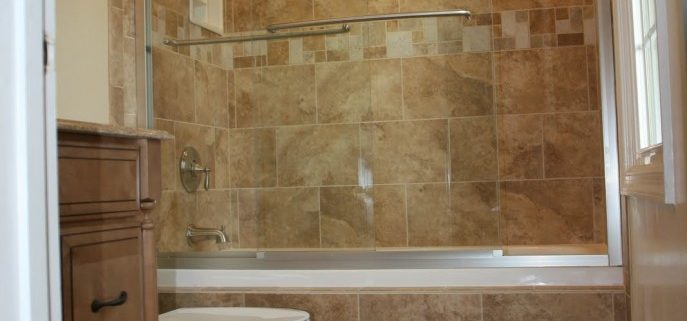
Check the tiles. Old, cracked, broken, and missing tiles can damage the look of your bathroom. If you arrange everything properly, you’ll be amazed at the improvement. It does not take long to learn how to install a tile or how to prepare cement either – a bit of trial and error, and soon you will feel comfortable doing it yourself. The main thing with the installation is to be patient and accurate – this is not a job that can be rushed.

Paint the walls again. A coat of paint transforms the room. If your bathroom walls are covered with wallpaper, remove it with a vaporizer (you can rent one for a weekend). If you use paint, you will have to remove all areas that are dirty – a little cleaning and sanding and you are good to go!  Make sure the walls are free from mold and mildew before painting – if they have recurring mold, check the source and add a rust inhibitor to painting.

Restore wooden furniture. Sand the wood of your cabinets and stains that may have appeared, and paint it again with a color that complements the bathroom walls. Be sure to use latex paint.

Replace the accessories on your bathroom furniture. Buy door handles, racks for new towels and new lamps.  Place a new mirror, and your bathroom will have a whole new look.  Search the market, thrift shops, auctions, garage sales or online, and you can find both antique and modern artifacts at a very good price.

Buy some new faucets to do it yourself. You can update your shower and bathtub fixtures in an afternoon. Most of these packages bring very detailed instructions.

Use the floor you already have. People always look closely at the bathroom floor because it is a sign of hygiene (or lack thereof). Therefore, it pays to be presentable in the best way possible.

Place accessories. Replace all your towels, curtains and carpets. Buy a shower curtain and new curtain rings. You can buy everything separately, or buy in coordinated series. Add a few pictures or plaques on the wall (but do not overdo it). Buy a new trash basket. An assortment of new accessories can enhance the look of your bathroom even if you do not change the walls and floor.