

flooring-11

How to Choose Your Flooring

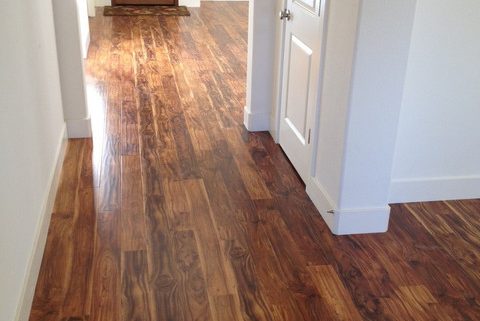
Different parts of the home would benefit from different types of floor. With the wide array to choose from, a homeowner can easily get overwhelmed with the amount of information and just try to pick whatever they see first in a color that doesn’t match anything in their homes. With a decision as big as the type of flooring to use, you need to consider more than the usual amount of things to consider, and ask yourself the following questions.

Where will you put it?

As already mentioned, there is a different type of floor meant for the different parts of a home. You can’t expect your kitchen tile to work on your bedroom, and your wooden deck planks will do you no good in the bath. Basements and bathroom floors are those that can withstand medium to high-moisture environment. Ceramic tiles are perfect examples and, as such, they’re the most popular kitchen and bathroom tiles in any part of the world.

Who lives in the house?

Now this is a matter of durability. How many people have access to the room? Do pets or kids stay in it? Stone, hardwood, ceramic, porcelain and laminate floors are among the most durable types of floors, and they receive high-traffic very well. Carpet, while being the most popular choice, isn’t among the most durable ones.  However, carpet can be easily replaced in terms of money, availability and ease of installation, and these are the reasons why most homes and offices use them.

How much are you willing to spend?

Laminate and resilient flooring are cheap floor materials, but it’s not impossible to find high-quality ones under budget. Many solid hardwoods are, of course, some of the most expensive choices, but they do shine in the eyes of many homebuyers. However, you must think beyond the cost of the materials alone. Think about the time spent on installation and the money paid to professional installers. DIY floor installation can be a bit costly since you need to rent some proper equipment, and you might not get it right the first time. Professional installation, on the other hand, will ensure perfect or close-to-perfect utility of materials.

There is not a single floor covering anybody can consider the best out of all the others, so it’s no wonder choosing one is so difficult. If you’re having a hard time, let a professional help you choose your floor.

Bathroom1

Tips to Make Bathroom Renovations Run Smoother

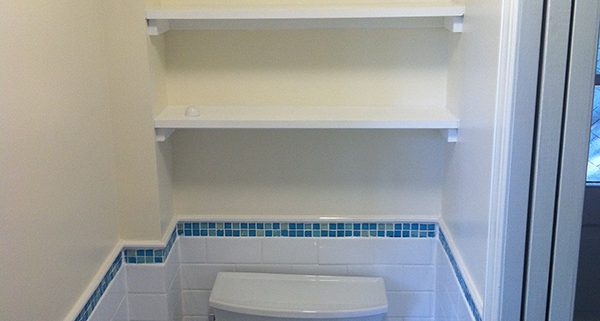
Even with the best handymen around, renovating a bathroom can be pretty hard work as they could only do so much for your bathroom. As the homeowner, you need to chip in your fair share of work in order to make the renovation run as smoothly as possible.

Plan everything

With the help of a contractor, lay down the plan for the renovation. Not only will this help you envision the project, it will also help the contractor provide a more accurate budget estimate. Planning with a seasoned contractor will ensure that nothing or at least very little is left out of the planning stage, so additional expenses and unexpected changes are kept down to a minimum. Never start work without getting a plan or design off your contractor.

Be ready for additional expenses

An estimate is just that: an estimate. You can’t expect any project to cost exactly what a contractor has estimated it to cost. Move around fixtures and you’re looking at additional plumbing and electric work. Take out the old tiles and you may see water and drainage problems. Once they start the bathroom renovation, it’s really just a matter of time until they find a problem even you didn’t know you had in the first place. It’s always better to spend more money on quality work now than spend more money on crappy repairs later.

Get your hands on everything you need

Some materials such as tiles, lighting, fixtures and furniture can take weeks to arrive, and seeing work piling up because of this can be very frustrating for both you and your contractor. Do not let anyone hold so much as a hammer until you have made your decisions and you have everything on hand, especially those that aren’t readily available in just about anywhere.

Work with your contractor

Work with your contractor instead of working on your own. Always keep in mind your contractor’s opinions and suggestions when you’re out and about shopping for the things you want for your bathroom. Voice out your concerns and a good contractor will take actions to reassure you.

Renovating a bathroom isn’t too hard when you’re ready. Of course, it helps that you choose a contractor who knows their way around bathrooms. Let your contractor in on everything you want for the renovation and they’d let you in on everything you need to know. This way, your renovation will run so smoothly you wouldn’t even notice it’s finished.

exterior-home-remodeling-6

DIY vs. Professional Exterior Home Remodeling

A lot of people are fond of DIY projects for a variety of reasons. One reason always cited is that DIY people seem to save more on projects than those who decide to use professional services. Another reason they give is the sense of pride that comes from finishing a project on their own. However, there are certain projects that are always best left to professionals, and one example is exterior home remodeling.

Professional’s advantage: It’s what they do

If you’re thinking about taking a project as big as remodeling your home’s exterior, you must have plenty of time on your hands. Projects this big can easily take weeks or months to finish even with all hands on deck. If you have a regular job and are saving the weekends for remodeling, you’re in for a big surprise. One problem with taking too long to finish is the availability of the materials you’re going to use. Who’s to say that the exterior tiles you’ve ordered will still be available the next time you need them for that huge chunk of now tile-less spot you failed to remember? Professional contractors will work each and every day, even while you’re at work, because that’s what they do and that’s how they work.

Professional’s advantage: It’s what they do it with

Without skills, proper equipment, patience and a hefty budget, home remodeling projects can easily be the subject of your worst nightmares. There are plenty things that could go wrong with this kind of projects to last you a lifetime. With DIY projects, you need to make sure that you are motivated enough from start to finish. In the case that you’ve lost motivation in the middle of the project and decide to call in a contractor instead, there’s almost a 100% chance that you’re going to spend double since they’re going to tear up whatever you’ve started and again start from scratch. Without proper equipment, the chance of getting an excellent work done nears zero.

Are you up for roof repair, plumbing and electrical work? If you’re just a regular guy, it’s a stretch that you know what really lies beneath your walls. If you’re really fond of DIY, know that there’s always a limit on what you can do by yourself. There is nothing wrong with wanting to take on a DIY project, but remodeling your home’s exterior can be extremely dangerous and it isn’t for the faint of heart.

deck-1

4 Reasons Why Should You Build a Deck

Decks are almost traditional in sprawling American homes. However, not all people see just how beneficial it is to have one in a home. Aside from making your home look more attractive, here are 4 of the top reasons why deck building services are so popular now more than ever.


Decks double as living spaces

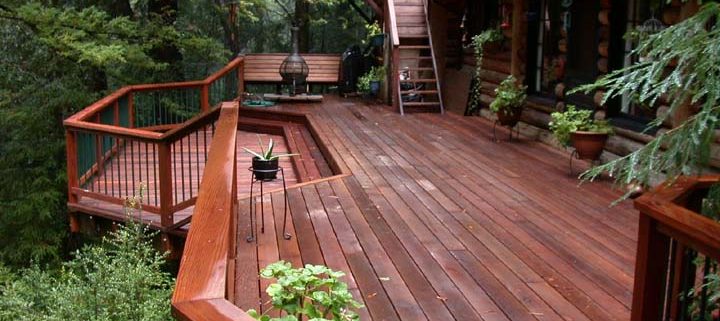
Decks are made to serve as extensions to living spaces. From potted plants to mini-gardens, from small fountains to pools, from a wicker garden table to a cherry wood dining one – whether it’s a big deck or not, it means having some additional space.

Decks give you plenty of space for outdoor functions

This is by far the most popular reason why people want decks in their homes. It can function as a venue for parties, or it can be the place you and your friends love to hang out in. You can stick in a hot tub or build in a full-blown pool. With plenty space comes plenty opportunities for outdoor fun and function.

Decks get you connected with nature

Stress-ridden days are always in sight, so it’s always understandable to grab the chance at relaxation each and every time you see them. Get in touch with nature by relaxing on your deck. Breathe in the fresh air while looking far away at the relaxing greenery. Eat your worries away with your family and closest friends. It’s a great place to work out and meditate as well.

Decks add value to a home

Whether you’re selling your house or just wanting some changes, a deck is a fairly good investment. Since it can be seen from outside your place, it instantly adds value and appeal to your home. Even if you aren’t looking to sell, your home will gain all the other benefits listed above, and that in itself is a major win.

Many homeowners try to undertake decks as their personal DIY project. It is, however, a dangerous project to tackle by yourself, especially if you do not have the needed skills. There are many reasons why you should build a deck, but there are also reasons why you shouldn’t. Climate and space are two major considerations, and a good contractor would advice against building a deck if your home couldn’t handle it. You should also consider your town’s codes and regulations on decks, and get a building permit while you’re at it.

basement-2

Additions to concrete that can make your foundation stronger

It might be a good idea to add further strength to the concrete that you are laying down to form the foundation of the house. After all, the foundation of your house is what guarantees that your house keeps standing for many years. To prevent the need for foundation crack repair you can use these following additions.


Slag cement

slag is created when Iran old is melted down in a blast furnace when creating steel. The steel industry then, cools down the slag in the furnace with water. It is then refined, right and made into a powder. When added to concrete, it will make the concrete less susceptible to permeation by moisture and chemical seepage. This stronger form of concrete is called slag cement.

Fly ash

fly ash is another material that can be added to concrete to make it more dense and durable and when used to lay down a foundation, it can make the foundation last longer and be more resistant to the elements. Fly ashes primarily produced in the electrical power sector, specifically in coal burning power plants. The fly ashes then recycled and can be added to concrete quite easily and poured into the foundation for your house.

Microsilica

Created in the process of making silicon and ferrosilicon alloys, micro silica is obtained by reducing high purity quartz in an electric furnace. Although not very widely available or a popular addition to concrete, it is sometimes used when available by contractors as a supplement to slag cement or fly ash. It has the same effect in terms of increasing the density of the concrete, is durability and its ability to withstand the elements and remain strong for a longer period of time. You can always ask your local contractor if he is able to obtain micro silica.

Natural additions

There are many eco-friendly options for additions to cement available in the market. While making cement to build a foundation can be harmful to the environment, using these additions will limit the impact that laying down your foundation will have on the environment. These materials include but are not limited to rice husk ash and volcanic ash. There are also other materials such as certain types of clay that can be added to your foundation did not only limit its impact to the environment but also to make it denser and stronger.

You can always ask your contractor is there any other additions to the concrete that you are laying down that will make it more durable and stronger. Someone with a lot of experience in laying down foundations will definitely be able to recommend the best addition to the concrete that will help create a stronger foundation.

Basement-Flooring-Ideas-With-Wall-Design

Alternatives to a concrete foundations

While concrete is one of the most popular choices due to its strength and durability when it comes to foundations to homes, there are several other choices that have been used across the country for a long time that can give similar strength and stability to your home. The following is a list of the most popular alternatives to concrete foundations used by contractors and crack repair specialists nationwide.

Wood foundation.

Foundations made out of wood have been used for decades in the United States. These foundations are usually made from load bearing frames made out of lumber. These frames are pressure-treated so that they are not affected by moisture and damaged by burrowing insects like termites. These foundations are relatively easy to construct and can even be prefabricated so that they can be installed more easily and quicker. They can be used in many weather conditions and are sometimes cheaper to install than block or concrete bases for structures.

Steel foundation.

Very useful in regions with hazardous conditions and in regions where insects can be a major threat to the health of the foundation, foundations made of brains off cold formed steel are quickly becoming a popular choice for contractors. Due to the advancements in technology for producing steel, the price of steel has been steadily decreasing for the past few decades. This is one of the reasons that contractors are using steel frames to create foundations for new homes. This may be an option worth looking into if you live in a high hazard area.

Steel panel foundations.

One of the easiest foundations to install, steel panel foundations can also be cheaper than some of the other alternatives to concrete foundations. They are easily prefabricated and consist of steel sheets that have extruded or expanded foam sandwiched between them. There are also some foundations that are made up of steel studs that are surrounded by foam. Precious time can be saved when installing steel panel foundations because they come prefabricated and installation is quite easy.

There are also some other alternatives to concrete foundations like frost protected shallow foundations that may also be available to you. It is best to ask the contractor or experienced builder to help you decide what the best material to use for your foundation is.

crawlspace

Tips to keep your crawlspace dry

A crawlspace beneath your floors can be fertile ground for mold and mildew if it is not kept dry. Protecting your crawlspace from moisture buildup is pretty easy and does not require much time or effort. Using these tips will protect the health of your home and make sure that both your home and your family safe from the dangers of mold and mildew. While crawlspace encapsulation is the most preferred method of keeping water out of your crawlspace, these following methods will also help minimize damage.

Create a water barrier.

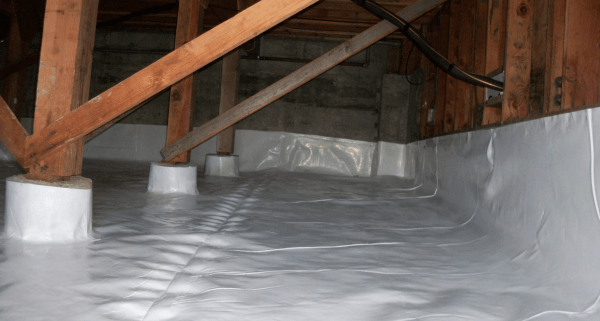
Use the plastic poly vapor barrier to cover the dirt ground beneath your house. Make sure that you run it out to the edges of the cinderblock walls so that there is no leakage and no way for the moisture to get through the vapor barrier. Get advice from moisture control experts so that you can create an effective barrier.

Ensure there is no leaking duct work.

Air conditioning ducts will often cause condensation around it to create higher level of moisture in your crawlspace. To prevent this, make sure that all uninsulated ducts are covered and wrapped to prevent air leaks and condensation. This is worth considering if you are about to install new ducts, in which case, you should buy ducts that are already insulated.

Direct water from gutters and drainage away from crawl space.

Make sure that there is a slope away from the house foundation so that all water that runs from the house runs away instead of gathering next to the house and entering the crawlspace. All pipes that run from the gutters and from the roof should also be directed away from the house so that none of it makes it into the crawlspace.

Install a fan.

You can make this fan turn on and off with inputs from humidity sensors or on timers. This will make sure that the moisture gathering in the crawlspace will always be controlled and make sure it is not suitable for mold and mildew to grow under your house.

With these precautions, you will be able to minimize the amount of moisture that builds up in your crawlspace but if you still face problems, it might be wise to talk to a contractor about getting your crawlspace encapsulated.

handyman-services-9

Things to consider before hiring a handyman

Even the most accomplished DIYer will need some help from time to time. Whether this is because you don’t have the time to finish the work yourself or you’re not sure if you possess the skills and the tools needed to get the job done, there is no shame in calling professional handyman services once in a while if you feel out of your depth. However, there are some things that you need to think about before you go ahead and make that call.
List all the work that you need done in the house.

You need to make sure that you know exactly what you need from the handyman so that it is a good reference both for yourself and  the professional you are going to be calling in to get the work done. This will make it easier for you to explain to the handyman what work is needed to get an accurate quote when you call in.

Explore your options.

Do not be hasty in selecting a handyman. All the local services around the area to get a quote from each and keep accurate records of each quote given. Additionally, make a note of all the good and bad things that you have learned about the businesses from your interactions with them. Sometimes, it might be worth paying more for more cooperative and friendly service.

Get reliable references.

Ask your friends and neighbors if they know a good handyman and there is nothing better than a wholehearted recommendation from a friend or neighbor that you trust. All the businesses themselves were references from past clients. Remember that you are trying to find a handyman that does quality work on time and within budget.

Make sure that you handyman is properly trained and licensed.

You want to make sure that you are not liable for injuries suffered on work done on your property. This will mean making sure that you handyman has the right experience for the job and also checking his professional licensing and also making sure that they have the right insurance to cover injury liability and also liability if they do any damage to your property while working there.

Above all, proper research is the most important thing to be done before hiring someone for any job, not just a handyman. This will make sure that your work is completed on budget and on time.

Basement

Things to consider before you start finishing a basement

While a finished basement is a great idea both to add value to your house and as an extra living space that is very versatile, there are many things that you need to think about before you even begin planning about what to put in the basement. This will also help you with planning the layout of your brand-new living space.

Take care of all the moisture problems.

Basement waterproofing is the most important task you need to consider before you start thinking about finishing your basement. For many, you unfinished basement will have just been lying there with that particular attention being given to its moisture problems for years. This might mean that there are several problem areas where moisture is collecting and bigger problems like mold and mildew might also be present. You might need to get an expert in to get rid of any mold that might have grown in the basement and also plug up any areas where moisture is coming in.

Make sure that there is plenty of light.

You want to get in as much natural light as possible to make it a natural living space. This should also be considered when planning a layout so that you can put your most used spot in the area where there is the most natural lighting. Install oversize windows with large wells on the outside so that you can get as much light in as possible.

Check for rot and insect damage.

You may have to use an awl so that you can probe in the floor joists, header and ring joists, the sill plate and the wood frames of windows to make sure that there is no rot or insect damage. Make sure the floor joists do not sag as well by blinding onto a ladder and looking across them when you nearly eye level with the underside of the joists. Make sure none of them are out of line.

Make sure you want Carbon monoxide buildup.

You may need to call in an expert to check all the heating equipment and the ventilation and ductwork in the house make sure that there is no carbon monoxide being built up below the ground.

These preliminary preparations done, you can start planning and building a very desirable place for your family to spend some time.

Basement-Flooring-Ideas-With-Wall-Design

Tips to keep your basement dry

There is a real risk of mold and other harmful bacteria growing in your basement if moisture accumulates in there and the basement is one of the areas of the house which has the tendency to attract and store moisture. Basement waterproofing is very important in order to maintain a safe and healthy home for the whole family. These tips should help is keeping the risks of moldy basements down.

1.  Make sure water from gutters are directed away from the foundation.

Your roof gutters and downsprouts should be pointed away from the foundation of the house and you should make sure that the water is getting diverted away from the house and being let down at least 6 feet from the foundation to avoid water pooling against the walls and making its way into the walls and foundation. Make sure all the pipes are connected together well and that there are no leaks from the gutters down to the ground.

2. Make sure the ground around your foundation is graded.

Ideally, there should be a drop of at least 6 inches over the first ten feet from your house and this will allow any rainwater collecting around the house to make its way away from the walls and the foundation and not seep into the house.

3. Do regular checks for mold and dampness.

Mold can spread very quickly around the house, so make sure that you do regular checks for damp areas in the house and fix the causes before mold starts to grow. If you are not sure about how to go about this, then ask some professionals to come in and have a look and check for mold.

4. Basement windows should have wells.

If your basement has windows that are below grade, you should make sure that you have wells built around them that can help drain any water . Make sure these are always kept clean as clogged wells can cause water to seep into the house through the walls and the window and also can act as breeding grounds for insects.

5. Get a sump pump.

A sump pump can help keep the basement dry but make sure that it is working properly and the pipe that discharges the water lets it out far away from the house, so that the water does not make its way back through the walls.

Keeping your basement dry is extremely important and will make sure that mold does not threaten the health of your family.