
restoration-3

Reasons that foundations crack

There are several reasons for foundations to crack and when they do, it is best to repair them as quickly as possible. Although there are several commercially available concrete crack repair agents, it might be best sometimes to call in a crack repair specialist who can evaluate whether the crack may need more than just a repairing agent. It is best to be as safe as possible when it comes to your foundation.

1. Excessive water in the concrete.

Sometimes, concrete used in residential work can have too much water added to it when it is being mixed as this makes it easier to install. However, this will also make the concrete less strong and less durable and cracks will form more easily in the concrete. Make sure that your contractor is reputable and is using the right amount of water in the concrete.

2. Concrete that has dried too fast.

The chance of cracking is very high in concrete that has dried very rapidly. The concrete slab needs to have been cured properly and should take the required amount of time to set. This process, when concrete goes from liquid to solid is handled with the proper amount of water in it. Make sure your contractor is experienced and knows how to cure concrete in the right way.

3. Concrete used is not of appropriate strength.

Concrete is available commercially in a variety of strengths and each job requires a different kind of concrete. Knowing which concrete is most appropriate for job is very important and you should always talk to the ready mix supplier to make sure that you have chosen the right kind.

4. Control joints not used properly.

Control joints cause the concrete to crack at the places you want it to. Without enough of them, the concrete will start cracking in places that it should not and this can lead to a lot of problems. Make sure you or your contractor know how to use these properly.

5. Concrete was poured on frozen ground.

Concrete should never be poured on frozen ground. Not only will the cold mean that the concrete will not be cured properly, but the moisture will also wreak havoc on the concrete. There are things like curing blankets available that help pour concrete in cold weather and these should always be used.

Pouring concrete is a task best left to the experienced as there are many ways to lessen the strength of the pour and this will cause problems sooner or later.


 

bathroom remodel

4 tips for remodeling your bathroom

Some bathrooms remodeling can turn out to be a real pain if they are not managed and handled properly. While a renovated bathroom can add a fresh new look to your home, sometimes homeowners can find themselves stuck in a very tricky situation due to all the logistics that a bath remodeling entails. So, keep these tips in mind before you start tearing up your bathroom.

1. Come up with a budget and stick to it.

Discuss the amount of money that you are willing to spend with your family and make sure that it is a realistic and affordable sum. When picking and ordering fixtures and tiles for the bathroom, make sure you stay under your budget, because there will be some things that go wrong with a remodel and you will need to spend more money than you are hoping to.

2. Plan well.

Plan for the time and disruption to the household well. Know what you are getting yourself into and pick a contractor that has good reviews and is known to stay in budget and get the work done in a agreed upon time period without many delays. Make sure that there is enough access to other bathroom facilities in the house so that there isn’t major inconvenience to your family during the morning rush.

3. Have your house plans ready.

Make sure you know exactly where the water pipes and sewage pipes run in the house. The bathroom is one of the most connected rooms in the house, with electric lines, water lines and sewage lines plugged into it and you will have to plan the fixtures around these lines very carefully, so as to not run into problems later.  This means that the sequence of work needs to be perfect to pull off the remodel without a hitch.

4. Do not attempt it yourself if you are not confident.

A bath remodel is one of the hardest DIY projects to pull off and in most cases is best left to professionals, so it may be time to swallow your pride so that you do not end up wasting huge amounts of money and time on a task you are not equipped to handle.

With these tips, you should have a pretty good idea of what to do when it comes time to freshen up the look of you bath.

exterior-home-remodeling-4

Things to look out for when remodeling

If you have already decided that your home needs a remodel, you can take the list of things mentioned in this article as a gentle reminder of things to expect and not as a treatise against remodeling the house. Most of these things are obvious but are included here just in case you have not planned for them yet.

1. Noise

There will be a lot of noise from all parts of the house as the contractors go about their business tearing down walls, sawing, sanding etc. So, if you work from home, this might be a good time to find a place outside your house to work from. Similarly, remodeling should not be done around small children and babies who will not get any sleep while the work is being done.

2. Dust and dirt

There are measures that can be taken to minimize the impact of dust around the house like using zipwalls and closing off the area with a compression fit temporary wall. You can also get hold of a air filtration system that will suck out the dust from the air and deposit it elsewhere but none of these solutions are a 100%. So if you or someone in your family has respiratory problems that can be exacerbated by the dust in the air, you should stay away and keep them away from the house.

3. Changing your mind.

Do not be afraid to ask for a different addition or change while in the middle of the remodel. The sooner you speak up, the cheaper and less time consuming implementing the change will be. You are about to spend a lot of money on the remodel, so make sure that you are completely happy with it. Of course, try not to change your mind too often or you will end up spending a lot of money.

4. Delays

There will be delays. It is a given fact. Things may take longer to be shipped, there may be weather problems, you might want changes etc. The reason why may not be fixed but the fact that there will be delays is absolute.

Knowing that you will encounter these problems will better prepare you to deal with them when they do arise and they most probably will. But always keep in mind the end product and why you are remodeling  the house.

exterior-home-remodeling-11

Things to avoid when remodeling a home

Whether you are remodeling your home to get a fresh look or doing it to add value to your house to sell it, you will be well advised to not make the following mistakes when attempting a remodel. They will add time and money to the project, both of which should be unnecessary in most cases.

1. Taking too long to make decisions.

This concerns small decisions like fitting selection and paint selection. The whole project will be pushed late if one decision takes too long to make. If the contactor asks you for a selection, make it as quickly as possible as other arrangements that are going to follow the decision will also be delayed otherwise like calling in plumbers etc.

2. Changing your mind too often.

It is alright to change your mind once in a while about an aspect of the remodel, after all, this is your house and you are spending a lot of money remodeling it. However, do not keep second guessing yourself as it will add a lot of time and money to the schedule and also cause undue stress to both you and the contractor.

3. Buying your own materials.

While buying your own materials may seem like the best way to avoid the markups that the contractor may impose on the materials, they might have access to lower prices anyway, so you will probably be spending the same amount, if not more.

4. Allowing children around the work.

Not only is this a safety hazard but it will mean constant need to stop and start work again on the part of the contractor. This will delay the work and also annoy the contractors who have been hired to do a job on your house and should expect a somewhat conducive environment for their work.

5. Doing everything yourself.

While a lot of work can be done well by yourself, do not attempt work you have no experience in. Call in professional when a task seems too big to handle by yourself. Always get opinions on plans from contractors or friends with more knowledge than you to make sure that it is not going to end up looking bad or worse, being unsafe.

With these common mistakes to avoid, you should be well on your way to putting a fresh face on your house and enjoying a lot more years in it.

carpet-cleaning

5 tips to keep your carpet clean

It is not hard to keep a new carpet plush and clean. It can be very expensive to have to replace carpets, so it is very important that you keep your carpet looking good for as long as possible and keep it from getting worn down or dirty. These tips should help you maintain your carpet.

1. Use rugs on the carpet.

Using rugs laid on top of a new carpet can really protect it from direct contact with messes and general dirt from under shoes and feet. Furthermore, you can use the rugs as aesthetic enhancement and move them around once in a while to change the look of the room. This is especially useful to protect carpets that will be very expensive to clean or in rented spaces where a dirty or worn carpet can mean losing the deposit on the space.

2. Use carpet freshening powder regularly.

Carpet freshening powder will help keep the carpet and the room fresh and stop either from starting to smell bad. They are usually left to set into the carpet for 15 minutes and then thoroughly vacuumed. Some powders also have time release technology that will keep your carpet and room feeling fresh over time. Using this method about once a month should do the trick.

3. Vacuum regularly.

Vacuuming your carpet regularly will ensure that all the dust, debris, hair and dirt that gets trapped in the carpet does not stay in the fibers of the carpet and start to make it look dirty and worn out. Leaving dirt in there with regular activity on the carpet will also start to wear out the fibers quicker.

4. Encourage residents and guests to take off shoes.

Shoes carry dirt and dust from all over the place and wearing shoes on a carpet is obviously going to make it dirty and wear them out sooner. While this may be a unpopular rule, it will put years on the use of your carpet.

5. Use a carpet cleaning machine for better cleaning.

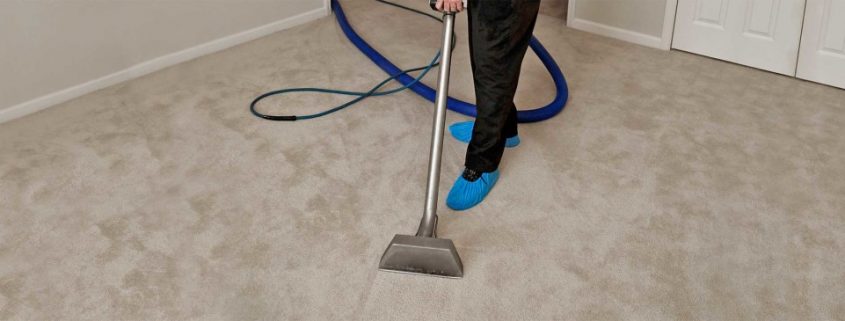
While this may be an expensive option, it may pay to rent a carpet cleaning machine for a day once in a while. A machine can really take out stains from a carpet and make it look like it has just been installed.

With these tips, your carpets should keep looking fresh and new for a long time.

tree-services

4 ways to keep pests out of the garden

There are many pests that can cause real damage to your garden. Because they range from large mammals like deer and rabbits, insects like tomato worms and gastropods like slugs, there needs to be solutions that are tailored for each particular annoyance. These tips are designed to be used before moving onto the more lethal measures like poisons and neurotoxins and are especially helpful if you have pets and do not want them to be harmed by these poisons.

1. Coffee grounds

Coffee grounds keep the slugs and cats away and sometimes deer are also put off by the smell of the coffee. As an added benefit, they also add nitrogen to the soil and increase the acidity which will be beneficial for certain plants. Many coffee shops also give away their grounds so it is not a problem if you don’t drink coffee at home.

2. Copper

If the coffee grounds do not work for slugs, copper definitely will. Slugs and snails cannot stand copper and will keep away from pots that are rimmed with copper tape. Copper sheeting can also be used for plants that are planted into the ground with rings made around the plant keeping the snails and slugs away from the plants. Copper gardening mesh is also available for those with extensive gardens and a problem with slugs and snails.

3. Bloodmeal

Bloodmeal which comes from meat packing plants is dried and flaked blood that animals do not like the smell of. Rabbits and deer will keep far away from the smell of blood and not bother your garden. Use a lot of it to make sure that it works. Like coffee grounds, it also contains a lot of nitrogen and will help the plants.

4. Strong smells

This is an effective way to keep animals like deer away from your garden. Any strong smell like scented soap and cheap perfume will keep deer away. You can use stakes planted around the garden to hold the soap up and keep the animals away.

With these methods, there is less risk of fatalities to your own pets and also these means are more humane in that they keep the pests away but do not kill them. If they do not work, it is always possible to go to your local gardening store and pick up some poisons to stop the problems altogether.

kitchen-82

4 options for countertop surfaces

If you are thinking about remodeling your kitchen and need some advice on what sort of material to use for your countertops, this article will be a great place to start. There are a large variety of materials available on the market that can fit almost any design scheme that you may be trying to use in your kitchen.

1. Solid surfacing

Solid surfacing is made from polyester and acrylic and is sometimes known as Corian, which was one of the first brands it was sold under. It is nonporous so there is no need for sealing or special cleaning methods for it. However, it can scratch and burn easily but this problem can be rectified by sanding. Another reason to choose solid surfacing is the wide variety of colors and patterns it comes in that can fit almost any color scheme.

2. Quartz

Quartz offers the best of both worlds- while it looks beautiful like stone with its chips tinted with color, it is also easy to care for like solid surfacing. So, it is easy to maintain and clean and is also very durable.

3. Granite

With its mottling and variety in natural colors and patterns, granite is one of the most popular materials used for counter tops. It can also deal with heat and knife nicks well and stands up to heat well, meaning that it is very strong and durable. However, it needs to be sealed so as to not get stained and is very heavy, requiring heave and strong supporting cabinets and features.

4.Tile

Tile is an inexpensive option and offers a great host of variety in design, color and material, so can be put to use in almost any aesthetic scheme. It is also very resistant to heat and nicks from knifes and can keep stains off. Also, if you manage to damage a few tiles, you do not have to change the whole counter to fix the damage. However, the uneven surface can make it difficult for some tasks like rolling out pies and using cutting boards. The grout also needs to be sealed to not get moldy or stained.

Consider these four fine options when deciding on what material to use for your kitchen countertops and make sure that you know the merits and shortcomings of each. There are also a host of other materials available if none of these match your needs.

living room interior

7 tips for maintaining a safe fireplace

Fireplaces are a joy to have in the house and are great during the cold winter months. But, they can also lead to home fires if they are not properly cleaned and maintained. So make sure that you follow these tips to ensure a safe and warm winter.

  1. Get a professional to inspect and clean your chimney every year before the start of winter. They should be able to get all the flammable creosote buildup out of the chimney and make sure that there is none left that can go up in flames.
  2. Make sure that the mesh cap on the chimney is secure at the end of every season and make sure that there are no twigs and branches that have fallen in to your chimney before you start lighting fires. Also check for animals and birds living in the chimney if the cap has allowed invaders. You do not want to start the season off by setting fire to an animal burrowed into your chimney.
  3. Check for soot in the chimney. It is softer than creosote and is flammable so make sure you clean it out before lighting a fire. A professional chimney sweep can also do this for you.
  4. If you find more smoke than normal pouring into the house, there may be a blockage in the chimney and you should check it yourself or have a professional check it.
  5. Leave a good deal of space between the fireplace and your furniture or other objects in the room. Flying embers can set fire to things such as carpets and pillows. Also, you should buy fireplace doors to keep the embers from flying into the room.
  6. You may want to install a stainless steel lining that will be able to keep the live fire and embers contained within the fireplace and be able to withstand high temperatures.
  7. Clean the fireplace floor and sides regularly by using a vacuum cleaner to suck out the ashes. Wear a dust mask while doing this to avoid inhaling the buildup.

With these tips you should be able to make sure that the fireplace in your home is not a fire hazard and not a threat to you and your family. Most of these are easy to do and can be done once before you start a fire for the first time in the season. If you are not confident about handling the tasks, get a professional in to get them done.

decks001

5 things to know before you build a deck

A deck can be a wonderful addition to your home. Not only will it increase the resale value of your home, but it will make a great place for family and friends to spend afternoons and evening or have a cook out. Think about the following things before you start building one or hire professionals to do it.

  1. Find out about all the choices you have in wood. While you may want to go for plain wood or synthetic materials, you can also use mahogany and redwood.
  2. Get all your permits in order and check with the local government to make sure that your planned deck is up to code. If you neglect to do this, you may face a fine or even have to take the deck down. An inspector can be called in to make sure the site and the plans are suitable. They can also be a valuable source of information and advice on building the deck.
  3. Be smart about choosing a location for the deck. If you want to sit on it while your children are playing or swimming, make sure you have a clear line of sight to the area they will be in. If you plan to host lunches or dinners, you may want to make sure that there is easy access from the kitchen.
  4. Make a solid foundation for the deck. It will be supporting the weight of the deck, your friends and family, patio furniture as well as things like grills so make sure you dig deep and build solid pier footings to keep the deck up. You may need to go below the frost line in your area to have a solid foundation.
  5. Make sure the deck will last a long time by protecting it from the elements. This will mean that you should choose paints that will protect it from the sun and rain. Apply a clear coat of oil or water based sealant on top of the paint to give it more protection from the elements.

These tips should help you get started in building a solid and durable decks where you and your friends and family can enjoy the summer months. Do not compromise on quality and you will find that the deck will keep giving joy for a long time. If you are not confident about the process, get advice and help from friends or hire a professional.

insulation-5

5 Reasons to add insulation to your home

While some people decide to forgo insulation, especially if they are living in an area with good weather, they should now that there are more reasons than the obvious temperature ones to insulate your home. If you are on the fence about it, these reasons should convince you that adding insulation to your walls is a good idea.

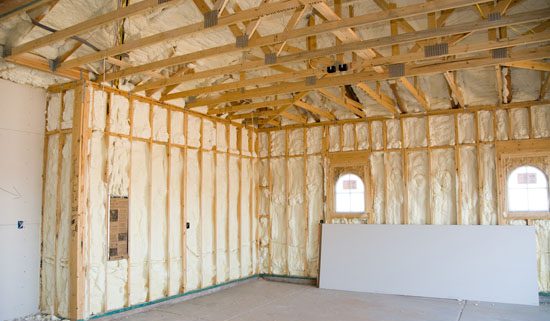
  1. The most obvious reason to insulate your home is to keep the elements out of your home. Insulation is almost a necessity if you live in an area with moderate to severe seasons and will help to keep your house warm in the winter and cool in the summer.
  2. This will also keep energy bills down as more of the heat and air conditioning inside the house and maintain a comfortable temperature without spending a lot more on energy. Energy bills are one of the most significant utility expenses in a home and you should do everything possible to keep it down. In fact, the U.S. Department of Energy has found that insulating and sealing your home to their standards can save up to 20% in energy bills.
  3. Insulation also helps keep the noise inside your home from bothering your neighbors. If you have pets that like to bark in the night or just kids playing loudly, you may start to become a nuisance to your neighbors and insulating your home will make sure that most of the noise is restricted to your house. It also give a little more peace of mind to those who like to play loud music in the house.
  4. Insulating will also be a huge help to the environment as you will be using less energy and keeping your carbon footprint down. While having to heat and cool your house is an absolute necessity, it is important to care about the earth and make sure that you are doing everything that you can to preserve it.
  5. Insulation with a vapor retarded is also great in keeping water vapor from condensing inside the structure of your house and causing damage to it. It will keep your house healthy for longer and keep the value of it up.

These reasons should be enough to convince you to get a professional in to insulate your house. The money you spend now doing it will more than be paid back in savings from lower energy bills and a healthier house.