
fences-11

Choosing the Best Brick Fence Design

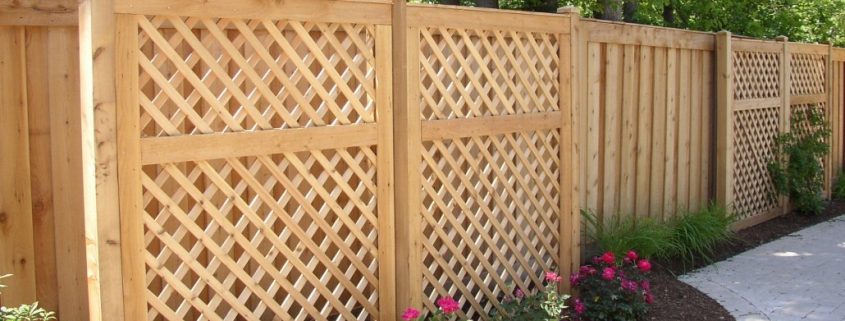
Homeowners build fences for many reasons such as protection, privacy and aesthetic. A brick fence can provide all this, but choose the design carefully because they are costly so give a good look at your home and your budget before deciding what type of fence to build.

Instructions

  1. Determine your reasons for putting up a fence. If privacy is your main concern, choose a design of solid brick and one that’s high. Pet owners who want a yard for a small dog can build a smaller, solid wall.
  2. The design should combine closely with the appearance of your home. Choose poles, arches, and colors that blend or complement each other and your home. Fences and walls made of stone, brick and stucco enhance Craftsman style and English Tudor houses.
  3. Allow your garden and home design to be shown. Choose spaces that will frame the beauty that is inside it, rather than cover it.
  4. Combine other materials with brick for an aesthetic appearance. Build designs with steel, aluminum or include a wrought iron gate between the posts. This design enables you to watch inside your property, while providing security.
  5. Choose a color that compliments your home. Bricks come in shades of red, white, gray, brown and orange. Select bricks that have multiple colors within them or bricks that have a more uniform appearance. Use a color scheme for a custom design.

Tips & Warnings

Discuss the plans for the fence with neighbors, they maybe are worried about their views being blocked. Investigate local building codes before building a fence, determine whether a permit is required.
chimney-2

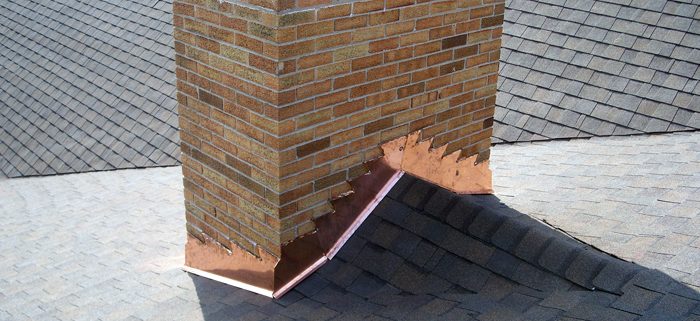
Clogged Chimneys and Maintenance

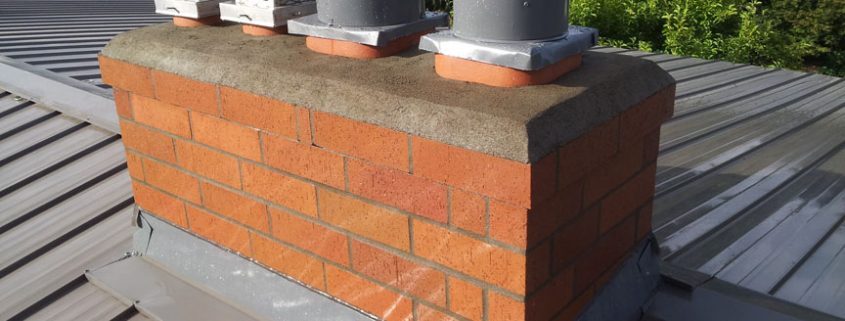
As winter draws closer, the last thing that you want to happen is to lose the normal use of your chimney for any reason at all. If you have a blocked or non-functional chimney, you will not be able to use the chimney to warm your home in those cold winter months. At worst, using a problematic chimney could put you and your family in danger. In fact, you will often find that the gas company will also turn off your gas if it is found that your chimney has a problem.

What’s the cause of your chimney problems?

Due to the warmth produced and the design of a chimney, the chimney is an attractive spot for birds and other small animals to find some comfort. Birds build nests at the top of chimney systems and small animals like squirrels and bats either find their way down your chimney either on purpose or by accidentally falling in.

Additionally, debris carried by wind can easy get lodged in your chimney so that leaves and small pieces of rubbish and rubble will easily clog your chimney. What’s more is that all these creatures and debris can easily accelerate the damage to your chimney by loosening the mortar which can further clog the chimney. As you can see, all sorts of things can easily cause your chimney problems and more specifically, get your chimney blocked.

What dangers does a blocked chimney pose?

When your chimney gets blocked, one of the biggest dangers is carbon monoxide failing to escape through the chimney and instead getting trapped inside your home. Carbon monoxide is produced when wood, charcoal or any other carbon based fuel is burned. It is a colorless, odorless, tasteless and non-irritating gas known as the ‘silent killer’ simply because a person cannot easily detect its ill-effects on the body. By the time you notice its effects on your body, you will often not be in a position to get away since the gas will have already made you unconscious.

How to avoid chimney issues and dangers?

To avoid all issues related to your chimney, there is a very simple solution. Through regular care, maintenance and inspection you can easily avoid losing the functionality of your chimney and avoid any danger to you and your family.

As a rule of thumb, having the chimney inspected at least once a year should be done, with a bias for inspection just before winter. This should be done to ensure that your chimney will be in perfectly working order in the colder months of the year when you are likely to use it the most.

Hiring a chimney sweep

Hiring a chimney sweep to do the job for you is often your best solution since besides cleaning your chimney, they will also:

  • Ensure that your home has an efficient cooling and heating efficiency
  • Determine whether your firebox and chimney are in good working order and that there is no damage
  • Ensure that your chimney isn’t susceptible to chimney fires caused by creosote accumulation
  • Ensure that there is no carbon monoxide blockage
  • Ensure that you are not causing environmental pollution through your fireplace.

When hiring a chimney sweep, ensure that they are certified and that they are members of a professional body like CSIA or the Chimney Safety Institute of America. This will ensure that you are hiring among the very best service providers available to you.

gutters-8

Damage Caused by Gutter Blockages

Rain water can easily cause a lot of damage to your home if it is not channeled away through the proper means. For a home with a roof that is 1,500 square feet, one inch in, ‘depth of precipitation’ or rain produces 1,000 gallons of runoff. If all this water is not channeled away safely, it could easily cause a lot of damage to your roof and to the rest of your house including the foundation and close surrounding areas. This is why having well designed and properly installed gutters is important for every home.

Importance of maintaining gutters

Even when you have well designed and built gutters, it is still essential that you make sure that they are always in perfect working order. The biggest issue that gutters face is blockage caused by debris that renders them ineffective or at least, not as efficient as they should be.

When blockages happen, the weight of debris and still water (caused by the blockage) can easily cause damage to the gutter itself.

This is why ensuring regular maintenance and inspection of your gutter system is important. The last thing that you want to happen is for your basement to flood or for your house’s foundation to be compromised due to lack of proper gutter maintenance. To say the least, it will cost you much less to maintain your gutter than it will to repair your houses foundation or basement. So why not just get it done immediately?

Signs that your gutter needs immediate attention

If you have not been maintaining your gutters, or if the job has not been done well, the following signs should signal you that you need a skilled professional to come and do the job for you.

  • A saggy ceiling and a leaking roof.
  • Mold, moss and or dampness on the outside of your walls
  • Paint or wallpaper damage on the inside walls of your house
  • Unsightly cosmetic damage to the side of your house caused by rainwater splash back damage.
  • Rotten fascia boards
  • Cracked foundations and
  • Damaged landscaping

What to do when you notice damage

If you notice any of the signs listed above, the immediate thing to do is to call a gutter professional to come and diagnose whether the damage could be due to gutter damage. What you should avoid doing is fixing the symptoms of the larger problem caused by gutter damage. If you simply fix a wall or re-do the painting, the problem is still very likely to happen again, since you will not have fixed the cause of your problems which is a damaged, poorly installed or badly designed gutter.

insulation-1

Benefits of Insulation

If your home is not insulated, then you should take action as soon as possible because you can benefit quite significantly from making the necessary changes. Some of the benefits of insulating your home are as follows:

Advantages of insulating your home

First and foremost, you will gain immediate cost savings if your house is not already insulated. These will be on account of better energy efficiency of your entire house due to less use of electricity in heating and cooling of the house.

Secondly, insulation will regulate the temperature of the house so that it is fairly constant and therefore more comfortable to live in. This is especially important for places with extreme weather

Third, insulation can filter out noise from outside the house and increase privacy in rooms by keeping sound within rooms. This is achieved since insulation creates a sound barrier.

Fourth, insulation keeps away allergens and environmental pollutants from getting into the house and thus creates a barrier to keep your family healthy.

Fifth, insulation can prevent condensation which causes dampness. Dampness from condensation can results in mold and mildew which are a health concern. Dampness can also cause the weakening of the structural integrity of your house which can cause a lot of damage to your entire home.

Which areas of your home should you insulate

If you want to fully benefit from insulation, your entire home should be insulated from roof to basement. With insulation, the efficiency is as good as the weakest link and therefore a comprehensive strategy should be the most ideal goal for you to benefit from insulation.

That being said, some of the specific areas of your house that you should pay close attention to include:

  • The attic
  • Duct systems
  • Ceilings
  • Exterior walls
  • Floors, especially those above unheated spaces like garages
  • Foundations and basements
  • Doors and windows

Hiring an insulation contractor

Finding the right insulation contractor is critical if you want to achieve maximum insulation efficiency of your home. In order to find the right insulation contractor, you should follow the following steps:

  1. Ask for the insulation contractors certification and training competence and whether they are affiliated to a professional body where you can verify their certification
  2. Confirm that they have good references from other customers and from professional bodies and authorities like your local government, Chambers of Commerce or the local Better Business Bureau.
  3. Inquire about the materials that they use for the job. Materials should be discussed in terms of R-values for clarity and not just according to thickness of materials used
  4. Ask about the cost of the service and how payments should be made
  5. Ask whether the insulation contractor has insurance and a guarantee for the services rendered
waterproofing-3

Causes of Dampness and Benefits of Waterproofing

If you have a house that you are trying to sell, then you should be well aware of the fact that dampness can affect your chances of ever selling the home. At best, you will probably sell the house for about three quarters of its value and definitely not for its full value.

If you are still living in the house, dampness can have a lot of ill effects including encouraging mold and mildew which can have negative health effects. Dampness could also ruin the structural integrity of the house.

If you have a basement, keeping it dry through waterproofing can be useful for making the space more habitable and therefore increase the usable square footage of your home.

What causes dampness

Dampness in houses is mainly caused by absorption of moisture into the building material. This can be further accelerated by capillary action that assists the moisture to travel across the building material. The moisture can initially get into the rest of the building from defective or substandard materials, from poor workmanship or from faulty designs in basements, foundations, walls, floors or the roof.

Poor design can also cause condensation which also contributes to the building material becoming damp. Condensation is caused when there are differences in hot and cold air. For example, when warm air in a room gains contact with cold walls, the warm air loses moisture in the form of condensation.

Other cause of dampness are as follows:

  • Wetness in the ground and from the foundations can rise up through the walls to the upper levels of the house mainly through capillary action.
  • Water splashing on the sides of the walls, for example through rain or poorly designed gutters can also cause dampness in walls.
  • Penetration of rain water directly through building materials,
  • Condensation in the atmosphere can be absorbed by building materials causing dampness and
  • Leaks from bathrooms, water closets, kitchens and other wet areas with poor plumbing can easily find their way into building material

Damage caused by dampness

Dampness in the building materials will eventually result in some or all of the following defects in your house:

  • Plaster will easily soften and crumble
  • Electrical fittings deteriorate and can then cause short circuits and other dangers related to faulty electrical wiring
  • Mosquitoes, termites and other pests and insects begin to thrive in areas of your house and cause pest and insect damage including ruining the structural integrity of your house
  • Metallic areas of your house begin to corrode
  • Timber areas in your house; warp, buckle and rots and
  • Paint begins to flake and acquire discolored patches

Preventing dampness

Waterproofing can prevent the causes of dampness and wetness mentioned above. Surface treatment, to fill up pores that encourage dampness, should be done immediately dampness is noticed.

To do all this, it is important that you find a professional who can get the job done thoroughly and immediately to prevent any dampness from spreading and causing further damage.

roofing-11

Hiring a Roof Contractor

Does your home get too hot or too cold depending on the weather outside? Or does your roof require replacement due to damage? May be your roof isn’t damaged, but it’s looking rather old and tired. Is it probably time for you to change your roof and upgrade it?

If the answer to any of these questions is yes, then you obviously either need to have your roof repaired or all together replaced. You could of course take on the project on your own, but the chances are that you may not have the tools, the extra helpful man-power or the know-how to do what is required to replace or repair the roof.

If by chance or choice, you do have all that is required for you to fix your roof, it may still not be worth it to do it by yourself for several reasons.

First, it may take you too long to do the repairs by yourself. You could be busy with your other day job and have far too little time to complete the project on time. Secondly, making a mistake on the roof could cost you much more than hiring a professional and thirdly, doing a roofing job on your own could be too dangerous if you are not used to doing work so high up.

As such, finding a well-trained and highly qualified roofer is often the best way to go. When you find a good roofer, the following tasks will be activities that they accomplish for you:

What roofers can do for you

Beyond general roof repair, roof replacement and roof maintenance, some of the tasks the roofer can also do for you include the following:

  • They diagnose and find the source of roof leaks and then fix the problem.
  • They will keep your gutters clean
  • They prevent the build-up of ice and other debris
  • They will install a soffit vent and a ridge vent to prevent dry rot which could totally damage your roof
  • They will inspect your roofing material to see whether it is in good condition. e.g. they can check if you have cracked shingle
  • They will check roof ridges or valleys to ensure that there are no leaks where the roof intersects
  • They will fix your sagging roof

Hiring a Roofing Contractor

Before hiring a roofing contractor, there are some important queries that you need ask before you can engage them to work for you.

First and foremost, do they have a roofer’s license and is the license applicable in your area? Secondly, do they have insurance and do they provide warranty for roof repairs once they do the job? Also, how long is the warranty valid for? Finally, you need to confirm how much the service will cost?

When querying about cost remember that the cheapest service is not usually the best service to go for, so be sure to also inquire about the quality of service that you will get before requesting for the service.

concrete sidewalk

Making a concrete floor for a shed

There are many benefits of having a concrete floor in your shed. Concrete is more durable and easier to clean than other materials.  They don’t chip and can work well in most climates. Making your own concrete floor is not difficult and doing it yourself you can save a lot of money.

Instructions

  1. Make sure your shed floor is clean and smooth. If you have a dirt floor, spread the dirt evenly with a rake and use a shovel to break up any hard lumps of dirt.
  2. Place wood planks on the bottom of each wall of the barn to make a frame. This will help the concrete be flush. The plates are then removed and are used only as an extra support to help the concrete to maintain its shape as it sits.
  3. Spread a layer about an inch (2.54 cm) thick of crushed rock on the floor and use the shovel to spread it evenly.
  4. Wet crushed stone to make it slightly damp. Be sure not to wet it so much that you get stagnant water. If so, let the water dry before proceeding.
  5. Mix the concrete according to the instructions. Make enough mixture to be able to support a concrete layer about three inches thick. Your package will tell you how much concrete is needed to do this.
  6. Pour the concrete starting from the rear and working forward. Use a concrete spreader to make concrete layer even and level.
  7. Remove the planks once the concrete has set and let dry completely.

Tips & Warnings

  • If you have trouble filling the crushed rock, you can first pour a thin layer of sand underneath.
  • Pour the concrete as soon as possible after mixing it so it does not begin to dry and harden.
siding-4

Finding the best carpet cleaner for your home

If you have children or pets and your five year old carpet still looks new, it is likely that periodically it’s cleaned. Cleaning frequently will keep your carpet looking newer longer and prolong its life. However, contracts with a carpet cleaning service can be expensive and annoying. The solution is to buy your own product to clean your carpet. There is a wide range of cleaners available and will be difficult to choose one.

Instructions

  1. Evaluate your needs by determining how often you should clean your carpets. Most carpet manufacturers recommend cleaning every 18 months. If you have kids and pets, you must clean them more often.
  2. Determine how much money you can spend on a carpet cleaner. These devices can cost between $100 and $1,000. To help you make a budget, calculate how much money you spend on hiring a carpet cleaning service or rent a carpet cleaner over a period of ten years.
  3. Determine what features your ideal carpet cleaner would have. If you have hardwood floors and carpets, you may want to invest in a cleaner that cleans both. If you’re cleaning your carpets on your own or have to carry up and down stairs, you may want a light cleaner. If you have a big house, you’ll want to invest in one that has a large tank.
  4. Consider a cleaner with a fixed brush or roller brush. Rotating brushes get up more dirt, but are more abrasive. Fixed brushes will not damage the fibers of your carpet, but neither clean thoroughly. If you buy a cleaner with a rotating brush, you only need to clean your carpet once a year. If you have children and pets, buy a fixed brush cleaner that lets you clean your carpets more often without damaging them.
  5. Consult consumer reviews and ask your friends who have a cleaner. Many people are eager to share their opinions about their cleaner. Professional reviews for carpet cleaners can give tips on what models are best suited to your needs. Use your budget and desired features to choose the best model for your needs.
drywall-4

Differences Between Drywall and Concrete for Shower Walls

A common question is whether drywall is a good choice for tiling near a shower. It’s not, and for several good reasons. However, concrete slabs which are a durable alternative suitable for shower walls, unfortunately are difficult to cut and handle. The price of the material and the extra demand for labor, however, are worth the extra time and money.

Humidity

Cement boards are made with cement and composites, which gives them excellent water resistant properties. In contrast, traditional gypsum panels absorb water and decompose. Over time, the water drywall attracts will accumulate mold and mildew. Even if you seal the walls with the shower tiles, moisture will find a way into the drywall, especially at the base, where the material acts as a sponge, soaking up moisture from the wall.

Variety drywall

Companies produce mildew and moisture resistant drywall called green panels for moisture-prone areas. These panels are named for the green paper resistant to moisture that covers them. This type of drywall is appropriate for a locker room or bathroom (where wet conditions exist), but cannot withstand prolonged and direct contact with water in your shower. Even green panels deteriorate in a shower over time; green lining paper is moisture resistant but not waterproof.

Proper use of drywall in the shower

There is an exception that allows the use of drywall in a shower: the flotation process. Green panels serve as the basis for floating walls, which consist of a first layer of plastic or paper, followed by a wire mesh and mortar mixture of cement and lime. Some experienced tile installers prefer to have a plaster base to float, while others believe that the ideal is to mesh and float on the beams. Either way, the green panels are a good basis for the floating wall, but just because they are sealed with a paper or plastic moisture barrier.

Installing concrete slabs

Producers of cement board require the installation of a plastic sheet 4 mm (unit describing the material thickness), or paper water resistant construction as a repellent barrier to moisture under the cement board. You can take things a step further by applying a waterproof film on the surface of the concrete slabs and tiles placed on the film. Several companies produce suitable films for this application.

Metal-roof-job-finished2-1

Guide to a hipped roof

A hipped roof is defined as a roof with four sides and four water beams. While a gabled roof consists of two sides configured to have the look of a tent, a hipped roof has four sides that are joined in one point or on a ridge at the top. The main difference in the context of a hipped roof and gabled roof is that the former has four water beams.

Geometry

A hipped roof begins with the construction of four water beams and a main beam. If the roof’s construction is that of a square, there should be a main beam and all sides will join at a point of the top. On top of a box will be a main beam that is parallel to the two larger sides. The shape and size of the desired roof sections need to be worked out on paper before beginning construction or framers may find unexpected construction surprises.

Tilt

The slope of the roof determines the size of the beams and the roof finished appearance. The roof pitch refers to the phases of the ceiling, expressed in terms of construction as a number of inches vertical (vertical meters) falling from the roofs on a fan of 12 inches (30 cm) horizontally. A roof down 6 inches (15 cm) to 12 inches (30 cm) horizontal refers to having a beam beams 6/12. When designing a roof hipped, you will make the construction process much simpler if you assign the same beam on the four sides of the roof. While it is possible to vary them, framed very complex situations are created.

Strength

Designing a hipped roof provides advantages when it is windy. Because there are not exposed gable ends, a hipped roof withstands dangerous winds as they tend to flow over the roof rather than into it. When you’re framing a hipped roof, you can further increase their resistance to high winds by incorporating the arms of the beams and a collar system design. The arms of the beams secure the beams in the lower hipped roof joists. The collars are metal strips that are cover around the bases of the joists and secure to the ends of the beams.

Design

The frame design for a hipped roof involves some simple geometry that allows you to determine length of wood you’ll need. You can get a preview of your hipped roof design by drawing a bird’s eye view but you need to take the roof pitch into account when determining the amount of beams you’ll need.  Knowing all these steps before you start construction, minimizes waste and gives you better use of your power and time.